

“Learn Digital Marketing Step-by-Step: From Basics to Expert”
About Digital Marketing Course In Simple Language
Digital marketing is everywhere today, but many people don’t really understand what it involves or how to get started. This digital marketing course breaks down complex online marketing concepts into easy-to-understand lessons that anyone can follow.
This course is perfect for complete beginners, small business owners who want to market their own products, college students exploring career options, and professionals looking to switch to the digital marketing field.
We’ll walk you through what digital marketing actually means and why every business needs it today. You’ll discover the core digital marketing channels like social media, Google ads, and email marketing that drive real results. Plus, you’ll learn about the exciting career opportunities waiting for you after you complete the course and gain these valuable skills.
What Digital Marketing Actually Means
Simple Definition Without Technical Jargon
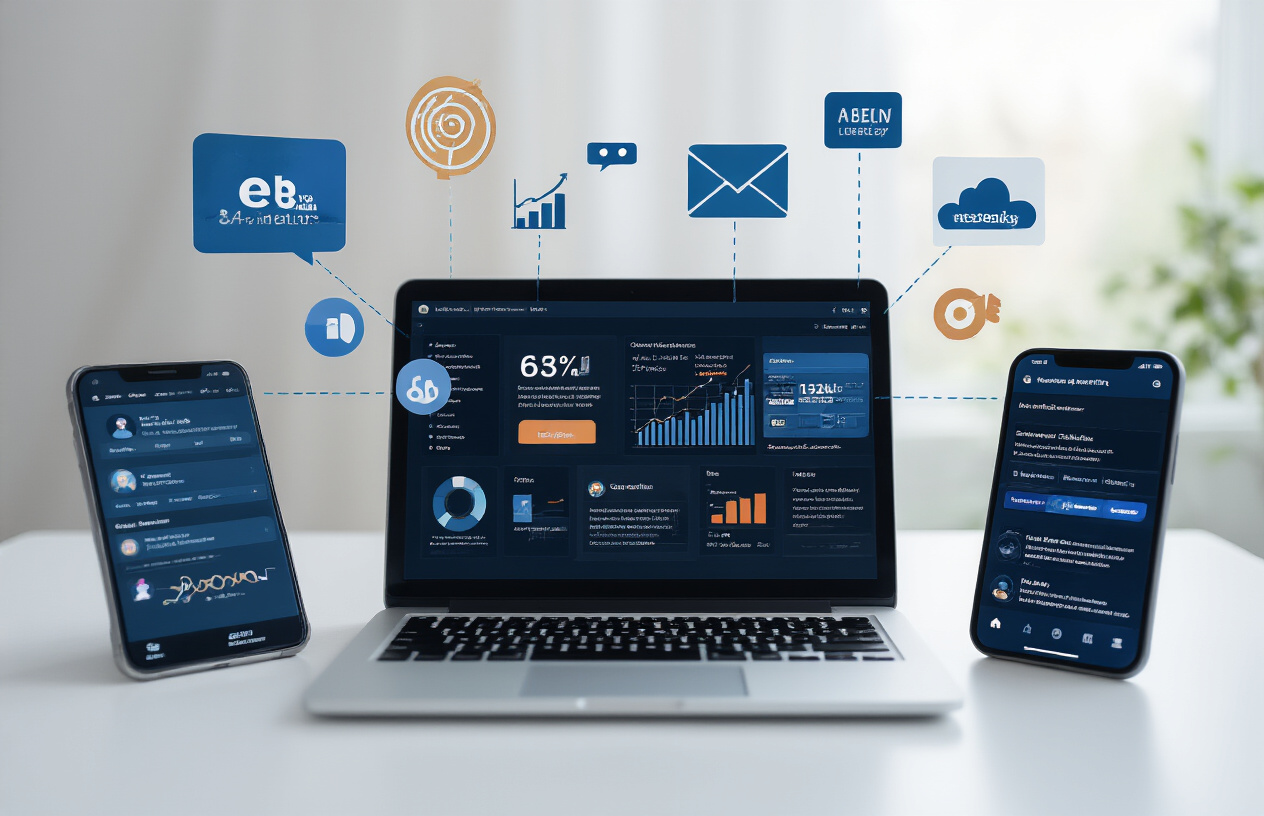
Digital marketing is simply promoting and selling products or services using the internet and digital technologies. Think of it as moving your business conversations from face-to-face meetings, newspaper ads, and TV commercials to online spaces where people spend their time today – social media, search engines, websites, and mobile apps.
Instead of putting up a billboard on the highway, you create content that shows up when someone searches for what you’re selling. Rather than handing out flyers at the mall, you send targeted messages to people who have already shown interest in similar products. Digital marketing takes the basic principles of marketing and applies them to the digital world where most people now discover, research, and buy things.
The beauty lies in its precision and measurability. You can track exactly how many people saw your message, clicked on it, and bought something. You can adjust your approach in real-time based on what’s working and what isn’t.
How It Differs From Traditional Marketing
Traditional marketing casts a wide net hoping to catch the right fish. You place an ad in a newspaper that thousands of people read, knowing that only a small percentage might be interested in your product. Digital marketing lets you fish with a spear – targeting exactly the people who are most likely to buy from you.
| Traditional Marketing | Digital Marketing |
|---|---|
| One-way communication | Two-way interaction |
| Limited targeting options | Precise audience targeting |
| Expensive to test and modify | Easy to test and adjust |
| Difficult to measure ROI | Detailed analytics available |
| Broad reach, less personal | Personalized messaging |
| Longer campaign setup time | Quick campaign deployment |
Traditional marketing also requires significant upfront investment. A TV commercial or magazine ad costs thousands before you know if it works. Digital marketing allows you to start small, test what resonates with your audience, and scale up successful campaigns.
The speed of feedback is dramatically different too. With traditional marketing, you might wait weeks or months to see results. Digital campaigns can show results within hours, allowing for rapid optimization.
Why Businesses Need It Today
Your customers have moved online, and your business needs to follow them there. People now research products online before making purchases, even for items they’ll buy in physical stores. They ask for recommendations in online communities, read reviews on multiple platforms, and compare prices across different websites.
Missing out on digital marketing means missing out on conversations about your brand that are already happening online. Your competitors are likely already engaging with potential customers through digital channels. Without a digital presence, you’re essentially invisible to a large portion of your target market.
Digital marketing also offers cost-effective solutions for businesses of all sizes. Small startups can compete with established companies by creating compelling content and targeting the right audiences, often at a fraction of traditional marketing costs.
The data-driven nature of digital marketing provides insights that were impossible with traditional methods. You can understand customer behavior patterns, preferences, and pain points in ways that help improve not just your marketing but your entire business strategy.
Common Myths and Misconceptions
Many people think digital marketing is only about social media posts or flashy website designs. While these elements play a role, digital marketing encompasses much more – from email campaigns and search engine optimization to online advertising and content creation.
Another misconception is that digital marketing produces instant results. While it’s faster than traditional marketing, building a strong online presence and seeing significant returns still takes time, consistency, and strategic planning.
Some believe digital marketing is too technical or complicated for average business owners. While there are technical aspects, many digital marketing strategies focus more on understanding your audience and creating valuable content than on complex technical skills.
The myth that digital marketing is only for young people or tech companies couldn’t be more wrong. Businesses targeting any age group and operating in any industry can benefit from digital marketing strategies tailored to their specific audience and goals.
Core Digital Marketing Channels You Should Know
Social Media Marketing Basics
Social media marketing is where businesses connect with their audience through platforms like Facebook, Instagram, Twitter, LinkedIn, and TikTok. Think of it as having conversations with potential customers, but on a much larger scale. The goal is to build relationships, increase brand awareness, and drive sales through engaging content and authentic interactions.
The foundation starts with choosing the right platforms for your business. A B2B company might focus on LinkedIn and Twitter, while a fashion brand could thrive on Instagram and TikTok. Each platform has its own personality and audience expectations. Facebook works well for community building and detailed content, Instagram excels at visual storytelling, and Twitter is perfect for real-time conversations and news updates.
Creating content that resonates requires understanding your audience’s pain points, interests, and behaviors. This means posting a mix of educational content, behind-the-scenes glimpses, user-generated content, and promotional material. The key is maintaining a balance – nobody wants to follow an account that only pushes sales messages.
Engagement is everything in social media marketing. Responding to comments, starting conversations, and participating in trending topics helps build a loyal community around your brand. Social media algorithms favor accounts with high engagement rates, so active participation directly impacts your reach and visibility.
Search Engine Optimization Fundamentals
SEO is the practice of making your website more attractive to search engines like Google, Bing, and Yahoo. When someone searches for products or services you offer, you want your website to appear near the top of the results. Most people never look past the first page of search results, so ranking high is crucial for getting noticed.
The process begins with keyword research – finding out what words and phrases your potential customers actually type into search engines. Tools like Google Keyword Planner, Ubersuggest, and SEMrush help identify these valuable terms. You’ll discover that people might search for “affordable web design” instead of “cost-effective website development services.”
On-page SEO involves optimizing individual web pages to rank higher. This includes placing keywords naturally in your titles, headings, and content, writing compelling meta descriptions, and ensuring your website loads quickly on both desktop and mobile devices. Technical aspects like proper URL structure, internal linking, and image optimization also play important roles.
Off-page SEO focuses on building your website’s authority through external factors. The most important element is earning backlinks from other reputable websites. When established sites link to your content, search engines view this as a vote of confidence in your expertise and reliability.
Email Marketing Essentials
Email marketing remains one of the most cost-effective digital marketing channels, delivering an average return of $42 for every dollar spent. It allows you to communicate directly with people who have already shown interest in your business by subscribing to your email list.
Building your email list starts with offering something valuable in exchange for email addresses. This could be a free ebook, exclusive discounts, early access to new products, or helpful newsletters. The key is providing genuine value that makes people eager to hear from you regularly.
Segmentation makes your email campaigns more effective by dividing your subscriber list into smaller groups based on demographics, purchase history, or engagement levels. A clothing retailer might send different emails to customers interested in men’s versus women’s fashion, or target previous buyers with special loyalty offers.
Email automation saves time while delivering personalized experiences. Welcome series introduce new subscribers to your brand, abandoned cart emails remind customers about items they left behind, and re-engagement campaigns try to win back inactive subscribers. These automated sequences work around the clock to nurture relationships and drive conversions.
Content Marketing Overview
Content marketing involves creating and sharing valuable, relevant content to attract and engage your target audience. Instead of directly pitching your products, you provide information that helps solve problems or entertains your audience, building trust and establishing your expertise.
Successful content marketing starts with understanding your audience’s questions, challenges, and interests. A fitness equipment company might create workout videos, nutrition guides, and exercise tips that help people achieve their health goals. This approach positions them as helpful experts rather than pushy salespeople.
Different content formats serve different purposes and appeal to various learning styles. Blog posts work well for detailed explanations and SEO benefits, videos engage visual learners and increase social media shares, infographics simplify complex information, and podcasts reach people during commutes or workouts.
Content distribution is just as important as content creation. Your amazing blog post won’t drive results if nobody sees it. Share content across your social media channels, include it in email newsletters, repurpose it into different formats, and consider guest posting on other relevant websites to expand your reach.
Pay-Per-Click Advertising Simplified
PPC advertising lets you place ads on search engines and other platforms, paying only when someone clicks on your ad. This model provides immediate visibility and measurable results, making it an excellent complement to organic marketing efforts that take time to build momentum.
Google Ads is the most popular PPC platform, displaying your ads when people search for relevant keywords. You bid on specific terms, and Google determines ad placement based on bid amount, ad quality, and relevance. A local bakery might bid on terms like “birthday cakes near me” or “custom wedding cakes.”
Facebook and Instagram ads offer sophisticated targeting options based on demographics, interests, behaviors, and even life events. You can show ads to people who recently moved, are interested in fitness, or have visited your website before. This precision targeting helps ensure your ads reach the most relevant audience.
Campaign optimization involves continuously testing and refining your ads to improve performance. This includes testing different ad copy, images, landing pages, and targeting options to see what generates the best results. Small changes in headlines or call-to-action buttons can significantly impact click-through rates and conversions.
Setting appropriate budgets and bid strategies prevents overspending while maximizing results. Start with smaller budgets to test what works, then scale up successful campaigns. Most platforms offer automated bidding options that adjust bids in real-time to achieve your specific goals, whether that’s maximizing clicks, conversions, or return on ad spend.
Essential Skills You Will Learn

Creating engaging content that converts
Content creation sits at the heart of successful digital marketing campaigns. You’ll master the art of crafting messages that grab attention and drive action across different platforms. This means learning how to write compelling headlines that stop people from scrolling, developing stories that connect emotionally with readers, and creating visual content that communicates your message instantly.
The course covers various content formats including blog posts, social media updates, email newsletters, video scripts, and ad copy. You’ll discover the psychology behind what makes people click, share, and buy. This includes understanding pain points, desires, and motivations that drive consumer behavior.
Visual storytelling becomes second nature as you learn to combine text with images, infographics, and videos. You’ll explore design principles that make content more engaging and tools that help non-designers create professional-looking materials. The focus remains on conversion optimization – turning viewers into customers through strategic content placement and calls-to-action.
Understanding your target audience
Audience research transforms from guesswork into a systematic approach. You’ll learn to create detailed buyer personas using real data from surveys, interviews, and analytics tools. This goes beyond basic demographics to include behavioral patterns, preferred communication channels, and decision-making processes.
The course teaches advanced segmentation techniques that help you divide your audience into specific groups with unique needs and preferences. You’ll master tools like Google Analytics, Facebook Audience Insights, and survey platforms to gather meaningful data about your potential customers.
Social listening becomes a powerful skill as you learn to monitor conversations about your brand, industry, and competitors across social platforms. This real-time feedback helps you adjust your messaging and identify new opportunities for engagement.
Customer journey mapping helps you visualize every touchpoint from awareness to purchase and beyond. You’ll understand how different audience segments interact with your brand at various stages, allowing you to create more targeted and effective campaigns.
Measuring and analyzing campaign performance
Data analysis skills remove the guesswork from marketing decisions. You’ll learn to set up proper tracking systems using Google Analytics, social media insights, and email marketing platforms. This includes understanding key performance indicators (KPIs) that matter most for different campaign types and business goals.
The course covers essential metrics like click-through rates, conversion rates, cost per acquisition, return on investment, and customer lifetime value. You’ll discover how to interpret these numbers and translate them into actionable insights for campaign improvement.
A/B testing becomes a regular practice as you learn to experiment with different headlines, images, targeting options, and call-to-action buttons. You’ll understand statistical significance and how to run valid tests that provide reliable results for optimization.
Reporting skills help you communicate results clearly to stakeholders, whether you’re working for an employer or managing client accounts. You’ll create dashboards and reports that highlight wins, identify areas for improvement, and demonstrate the value of marketing investments.
Building brand awareness online
Brand building in the digital space requires consistent messaging across multiple channels. You’ll learn to develop a unique brand voice that resonates with your target audience and stands out from competitors. This includes creating brand guidelines that ensure consistency whether you’re posting on Instagram or writing email campaigns.
Community building strategies help you create engaged audiences that become brand advocates. You’ll explore techniques for starting meaningful conversations, handling customer feedback, and turning followers into loyal customers who recommend your brand to others.
Content planning and scheduling ensure your brand stays visible without overwhelming your audience. You’ll master editorial calendars, posting frequency strategies, and platform-specific best practices that maximize reach and engagement.
Reputation management becomes critical as you learn to monitor brand mentions, respond to reviews, and handle potential crises before they damage your reputation. The course covers proactive strategies for building positive brand associations and reactive approaches for addressing negative feedback professionally.
Who Should Take This Course

Complete beginners with no marketing background
Starting your journey in digital marketing can feel overwhelming when you’ve never worked in the field before. This course is specifically designed for people who are brand new to marketing concepts and have zero experience with online advertising or promotion strategies.
You don’t need any prior knowledge about marketing terms, social media algorithms, or how Google Ads work. The course starts from absolute basics, explaining what digital marketing means and why businesses need it today. Every concept is broken down into simple, easy-to-understand language without confusing jargon.
Many beginners worry they’re “too late” to learn digital marketing or that they need special technical skills. That’s not true. The course covers everything step-by-step, from creating your first social media post to understanding how websites attract customers. You’ll learn by doing, not just reading theory.
What you’ll gain as a beginner:
- Clear understanding of how digital marketing works
- Hands-on practice with real tools and platforms
- Confidence to start your own marketing projects
- Foundation knowledge for advanced learning later
Small business owners wanting to grow online
Running a small business means wearing many hats, and digital marketing often gets pushed to the bottom of your priority list. But here’s the thing – your competitors are already online, and your potential customers are searching for services like yours every day.
This course is perfect for business owners who know they need to market online but don’t know where to start. Maybe you’ve tried posting on Facebook randomly or created a website that no one visits. The course will teach you how to create a proper digital marketing strategy that actually brings in customers.
You’ll learn practical skills that directly impact your business revenue. Instead of spending money on marketing that doesn’t work, you’ll understand exactly which channels work best for your type of business. The course shows you how to track what’s working and what’s wasting your money.
Perfect for business owners who:
- Want to reduce dependence on word-of-mouth referrals
- Need to compete with larger businesses online
- Want to understand their marketing ROI
- Prefer learning practical skills over hiring expensive agencies
Students looking to start a marketing career
Digital marketing offers incredible career opportunities for students entering the job market. Companies desperately need people who understand online marketing, and the field continues growing every year.
This course gives you real-world skills that employers actually want. Instead of just learning theory, you’ll work with the same tools and platforms used by professional marketers. By completion, you’ll have practical experience creating campaigns, analyzing results, and optimizing performance.
The digital marketing field is perfect for students because it’s constantly evolving, offering endless learning opportunities. You can specialize in areas that match your interests – whether that’s creative content creation, data analysis, or strategic planning.
Great for students who:
- Want a career with strong growth potential
- Enjoy creative and analytical work
- Prefer dynamic work environments over routine jobs
- Want to work remotely or freelance
Professionals seeking to upgrade their skills
Maybe you’re working in sales, customer service, or another field and want to expand your skill set. Or perhaps you’re already in marketing but focused on traditional methods and need to learn digital strategies.
This course helps professionals transition into digital marketing or add these valuable skills to their current role. Many companies now expect all employees to understand basic digital marketing, regardless of their primary job function.
You’ll learn how digital marketing connects to your existing skills. Sales professionals discover how online lead generation works. Customer service teams learn how social media management builds customer relationships. The course shows you how to apply digital marketing knowledge in your current position while preparing for potential career changes.
Ideal for professionals who:
- Want to make themselves more valuable to employers
- Are considering a career change to marketing
- Need digital skills for their current role
- Want to freelance or start consulting
What Makes This Course Different

Step-by-step practical approach
Most digital marketing courses throw you into the deep end with complicated theories and expect you to figure things out. This course takes a completely different path. Every lesson builds on the previous one, just like learning to drive a car – you start with the basics before hitting the highway.
You’ll begin with simple concepts like understanding what happens when someone clicks on an ad. From there, you’ll gradually move to creating your first social media post, then setting up basic campaigns, and eventually managing complete marketing strategies. Each step comes with clear instructions and checkpoints to make sure you’re ready for the next level.
The beauty of this approach lies in its simplicity. Instead of overwhelming you with fifty different tools at once, you’ll master one platform before moving to the next. Week one might focus on Facebook advertising basics, week two on creating compelling ad copy, and week three on analyzing your results. By the end of each module, you’ll have completed actual projects that you can add to your portfolio.
Practice exercises are woven into every lesson. You won’t just learn about email marketing – you’ll actually create email campaigns, send them to test audiences, and track the results. This hands-on experience means you’ll graduate with real skills, not just theoretical knowledge.
Real-world examples and case studies
Textbook examples rarely match what happens in the real world of business. This course uses actual campaigns from successful companies – both big brands and small startups. You’ll see exactly how a local restaurant increased its customer base by 200% using Instagram stories, or how an online store reduced its advertising costs while doubling sales through better targeting.
Each case study breaks down the entire process: the initial problem, the strategy chosen, the implementation steps, and the final results. You’ll analyze campaigns that worked brilliantly and others that failed completely, learning valuable lessons from both outcomes.
The examples cover different industries and business sizes. Whether you’re interested in helping dentist offices attract new patients or launching the next big e-commerce brand, you’ll find relevant examples that match your interests. These aren’t made-up scenarios – they’re real businesses with real results that you can verify.
Students often mention how these case studies help them think differently about marketing challenges. When you see how a small bakery used Google Ads to compete with large chain stores, it sparks ideas for your own projects. The course includes over 50 detailed case studies, each chosen to illustrate specific marketing principles in action.
No confusing technical terms or complex theories
Marketing jargon can make simple concepts sound impossibly complicated. This course deliberately avoids industry buzzwords and complex terminology. Instead of talking about “conversion optimization through behavioral targeting algorithms,” you’ll learn “how to show your ads to people most likely to buy your product.”
Every technical concept gets explained using everyday analogies. Understanding how search engine optimization works becomes as simple as organizing your closet – you put the most important items where they’re easiest to find. Email marketing automation gets compared to setting up a sprinkler system – once it’s configured properly, it waters your garden automatically.
When technical terms are absolutely necessary, they’re introduced gradually with clear definitions and practical examples. You’ll never encounter a lesson packed with unfamiliar acronyms without proper context. The course materials include a simple glossary, but most students find they rarely need to reference it because concepts are explained so clearly throughout the lessons.
This approach makes the course accessible to complete beginners while still providing the depth that more experienced students need. Whether you’re a recent graduate or a business owner in your fifties, you’ll find the content easy to follow and immediately applicable to your goals.
Career Opportunities After Completion

In-demand job roles you can apply for
Digital marketing opens doors to numerous exciting career paths that companies desperately need filled. Social Media Manager positions are everywhere right now, with businesses scrambling to build their online presence. You’ll create content, engage with audiences, and develop social strategies that actually drive results.
SEO Specialist roles offer fantastic job security since every business needs to be found online. You’ll research keywords, optimize websites, and help companies climb search engine rankings. Content Marketing Managers are equally sought after, crafting blog posts, videos, and campaigns that connect with target audiences.
PPC Advertising Specialists manage paid campaigns on Google, Facebook, and other platforms. Companies love these roles because they directly impact revenue. Email Marketing Coordinators build automated sequences that nurture leads into customers, while Digital Marketing Analysts dive deep into data to uncover insights that guide strategy.
Brand Marketing Associates work on overall brand positioning and messaging, often collaborating with creative teams. E-commerce Marketing Specialists focus specifically on online stores, optimizing product pages and sales funnels. Marketing Automation Specialists set up complex systems that handle lead nurturing without constant manual work.
Freelancing and consulting opportunities
The gig economy loves digital marketers because businesses need flexible expertise without full-time commitments. Freelance social media management can start immediately after your course, with small businesses paying $500-2000 monthly for consistent posting and engagement.
Content creation services are booming. Blog writing, video scripts, and social media content can bring in $25-75 per hour depending on your niche expertise. Many freelancers specialize in specific industries like healthcare, finance, or fitness, commanding premium rates.
PPC campaign management offers excellent hourly rates since you’re directly impacting client revenue. Managing Google Ads or Facebook campaigns typically pays $50-150 per hour, with many consultants earning retainer fees of $1000-5000 monthly per client.
SEO consulting appeals to businesses wanting long-term organic growth. Local SEO services for restaurants, law firms, and service providers can generate $800-3000 monthly contracts. Technical SEO audits command one-time fees of $1500-5000.
Marketing strategy consulting positions you as the big-picture thinker. Small businesses pay $75-200 per hour for strategic guidance on their overall marketing approach. Creating marketing plans, competitive analysis, and growth strategies become your specialty.
Starting your own digital marketing agency
Running your own agency represents the ultimate entrepreneurial opportunity in digital marketing. Starting requires minimal overhead – just a laptop, internet connection, and your newfound skills. Many successful agencies begin as one-person operations serving 3-5 clients.
Service specialization helps you stand out in a crowded market. Focus on specific industries like restaurants, real estate, or professional services. Becoming the go-to marketing expert for dentists or fitness studios creates powerful word-of-mouth referrals.
Building a team happens naturally as client demands grow. Start by partnering with freelance graphic designers, copywriters, and web developers. This network approach keeps costs low while delivering comprehensive services.
Recurring revenue models make agencies incredibly attractive businesses. Monthly retainers for social media management, SEO, and content creation provide predictable income streams. Many agencies achieve $10,000-50,000 monthly recurring revenue within their first two years.
Scaling strategies include white-label partnerships with web design firms, referral programs with complementary businesses, and developing productized services that deliver consistent results efficiently.
Expected salary ranges for beginners
Entry-level digital marketing positions typically start between $35,000-45,000 annually, with significant variation based on location and company size. Major metropolitan areas like New York, San Francisco, and Los Angeles often offer starting salaries 20-30% higher than national averages.
Junior Social Media Managers earn $32,000-42,000, while Content Marketing Assistants see similar ranges. SEO Coordinators often start slightly higher at $38,000-48,000 due to technical skill requirements. PPC Specialists command premium starting salaries of $40,000-55,000 because they directly impact revenue.
Rapid salary progression defines digital marketing careers. Most professionals see 15-25% increases annually during their first three years. Moving from coordinator to specialist roles typically adds $8,000-15,000 to base salary. Senior positions after 3-5 years often reach $65,000-85,000 annually.
Geographic location dramatically impacts earning potential. Remote positions have democratized access to higher-paying markets, allowing professionals in lower-cost areas to earn big-city salaries. Specialized skills like marketing automation or conversion optimization command premium salaries regardless of location.
Industry specialization affects compensation significantly. Healthcare, finance, and SaaS companies typically pay 20-40% more than retail or hospitality. Agency work often starts lower but offers faster advancement opportunities and diverse experience.

Digital marketing opens doors to exciting career paths in our increasingly connected world. The course covers everything from social media and search engines to email campaigns and content creation, giving you practical skills that businesses desperately need. You’ll learn how to reach customers online, analyze data to improve results, and create campaigns that actually work.
This training works for everyone – whether you’re just starting your career, switching fields, or want to grow your current business. The hands-on approach means you’ll practice real techniques, not just memorize theory. With digital marketing skills, you can work as a freelancer, join marketing teams at companies, start your own agency, or boost your existing business. The opportunities are endless, and the demand for these skills keeps growing every day.